







Search Results for: foam color
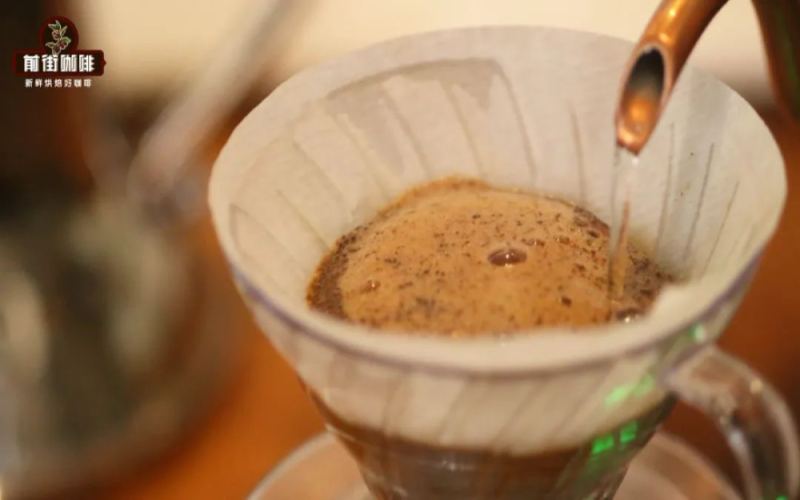
Where does the foam on the surface of pour-over coffee come from? Baking degree and freshness clues behind color and amount
When brewing pour-over coffee, a layer of foam often floats on the surface of the liquid in the dripper, sometimes rich and golden, sometimes thin and whitish. What exactly makes up this layer of foam? What can its color depth and quantity tell us about the brewing? From the perspective of Front Street, this article analyzes the sources of the foam's components, explains how large coffee particles affect the foam's color, and further reveals how the degree of roasting and the freshness of the coffee beans determine the richness of the foam, helping you adjust your pouring technique and judge the characteristics of the beans by observing the state of the foam. [more…]
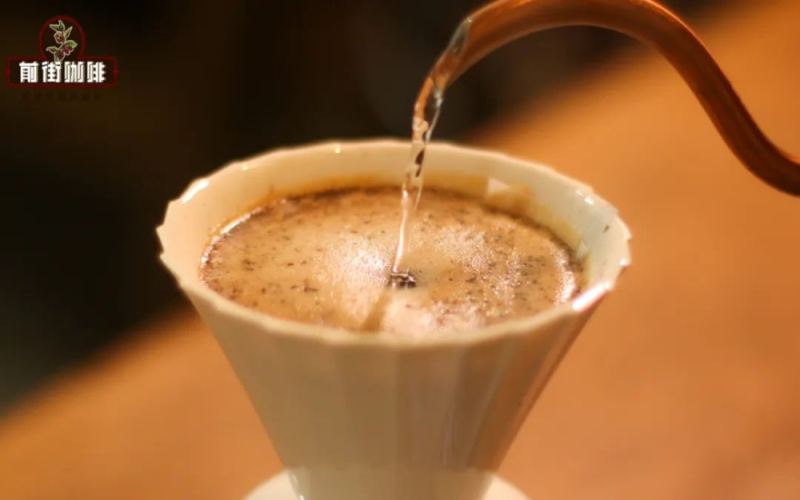
The Extraction Code Hidden in Pour-Over Coffee Foam Color and Richness: From Brown to Whitish, Reading Coffee Bean Freshness and Roast Level
During the pour-over brewing process, the foam that rises to the surface of the coffee bed keeps changing over time—its color gradually shifts from brownish-yellow to white, and its amount fluctuates. These seemingly ordinary bubbles actually hold hidden secrets: they share the same origin as the golden Crema of espresso, being composed of carbon dioxide, coffee oils, and fine particles. The color changes of the foam can help us judge the progress of extraction; the appearance of white foam often means that extraction is nearing its end, and continuing to extract can easily lead to over-extraction. The abundance of foam, meanwhile, reflects the roast level and freshness of the coffee beans. This article will guide you through interpreting the key information conveyed by these bubbles one by one, helping you control your brewing rhythm more precisely and brew a more delicious cup of pour-over coffee. [more…]

The Soul of Espresso Hides in the Crema: A Full Analysis of Crema Formation, Dissipation, and Color
Crema (coffee oil) is often regarded as an important visual indicator of whether an espresso is up to standard; it relates both to mouthfeel thickness and reveals whether extraction was sufficient. From the perspective of Front Street Coffee, this article sorts out the historical origins of crema, Illy's classic definition of espresso, and how the foam layer forms with the help of carbon dioxide, melanoidins, and hydrophobic substances. It will also explain why crema dissipates, what the depth of color can indicate, and how extraction time and water temperature affect the oil's performance, helping coffee lovers and baristas understand this layer of golden-brown foam more systematically. [more…]
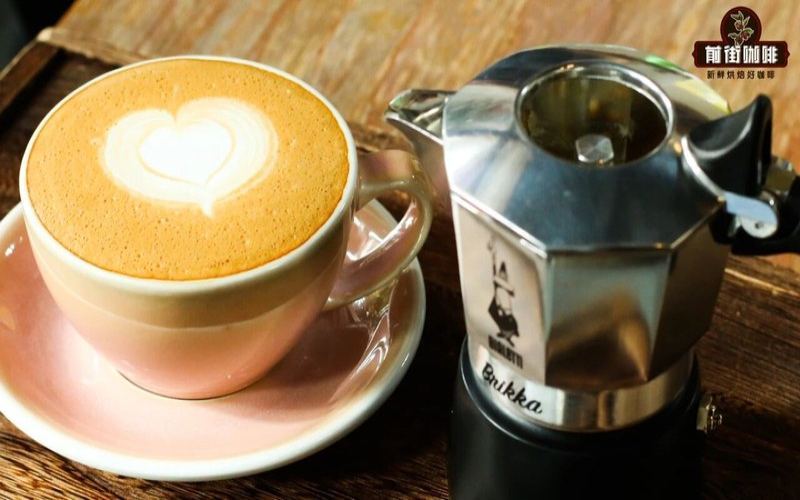
For a fuller foam in your moka pot, pair the roast level like this
The coffee liquid brewed from a Bialetti moka pot has light-colored foam on the surface and a noticeably oily, smooth mouthfeel when sipped. The key lies not only in the pot itself—the roast level of the coffee beans matters just as much. Light, medium, and dark roasts differ in moisture content, internal structure, and the rate at which soluble compounds are released. Put them in the same pot, and the foam condition and aroma intensity [more…]
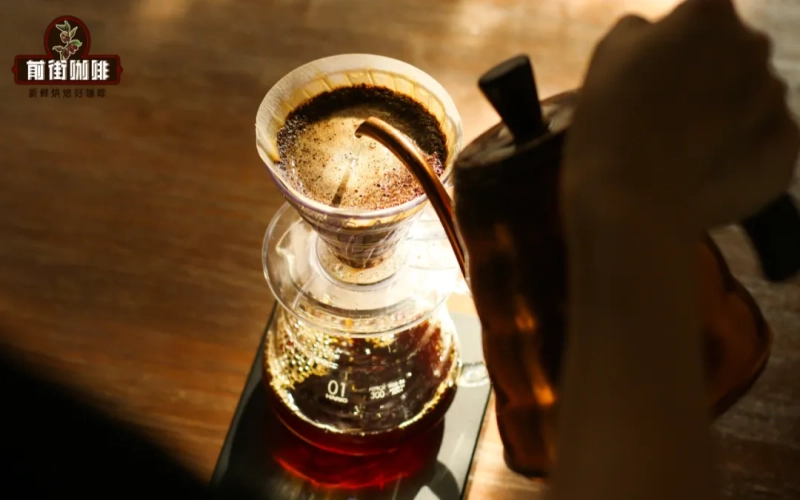
Pour-over coffee bed shape and brewing assessment: What do the bloom dome, bed height, foam color, and drawdown speed reveal?
When brewing pour-over coffee, the filter cup actually holds quite a few clues. The size of the dome that the coffee bed puffs up into during the blooming stage, and how well it retains water, can reflect the freshness of the coffee beans and the depth of the roast; whether the coffee bed can be lifted indicates the density of the coffee grounds; the color change of the foam on the surface can help us track the pouring path; and the speed of the drawdown is related to the coarseness of the grind, the density of the coffee bed, and fine particle clogging. As for the deep coffee bed pit that many beginners obsess over, it does not directly equate to a better-tasting cup; it is more just a reflection of the pouring method. In this article, Front Street will break down these readable pieces of information one by one during the brewing process, to help you have a few more bases for judgment when adjusting parameters. [more…]

Espresso Crema | What Is Crema in Espresso? Does Crema Affect the Flavor and Mouthfeel of Espresso?
A deep understanding of the essence of crema will be of great help to baristas in making a delicious espresso. Today, the instructor of the Chongqing Barista Coffee Training Course will give you a detailed analysis of crema to help you understand espresso and improve your coffee-making skills. In searching for a cup that is not bitter and has excellent flavor, a rich [more…]
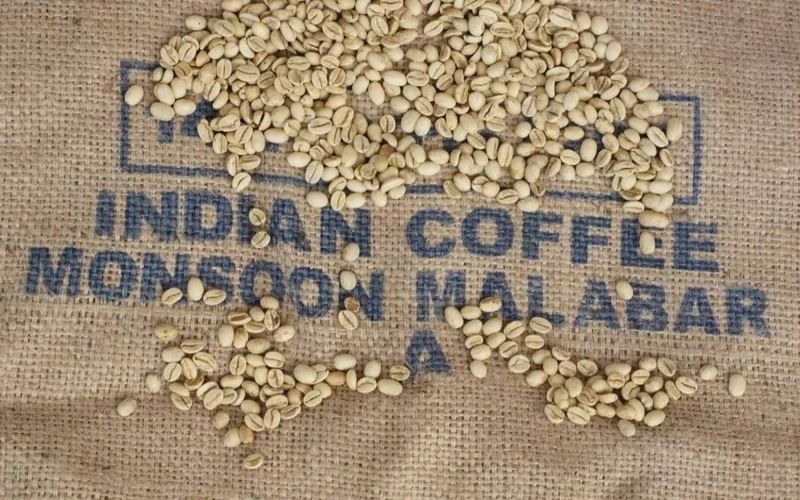
Rich crema on the surface of the espresso—the roast color gives you the answer.
When making espresso, the golden-brown foam on the surface of the cup directly affects both the visual appeal and the mouthfeel on entry. If you want a pronounced, rich crema, you can start by judging the roast level: the darker the color, the easier it usually is to form a thick foam and a full-bodied mouthfeel; lighter-colored beans, on the other hand, emphasize floral and fruity aromas, sweetness, acidity, and clarity. Neither direction is superior to the other, [more…]
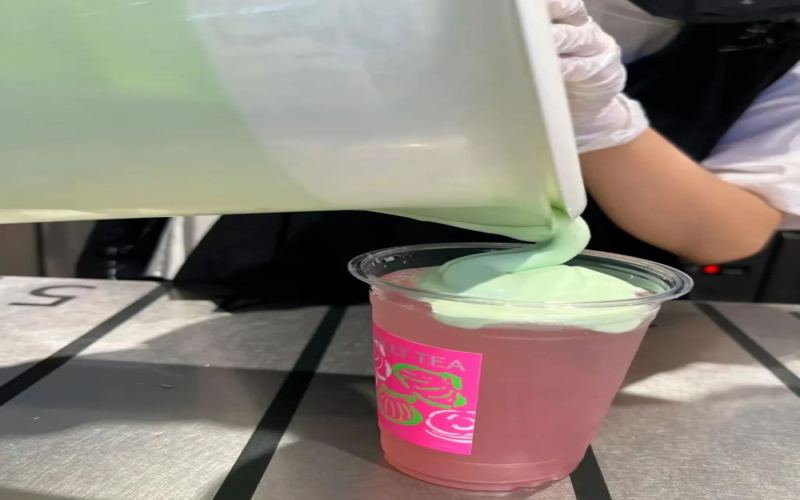
Jasmine Milk White Grapefruit Apple Coconut with Milk Foam Turns Color and Flocculates Afterward: Protein and Vitamin C Reaction Sparks Consumer Doubts
Molly Tea recently launched a pomelo-coconut series, including three new drinks: Pomelo Apple Coconut, Pomelo Jasmine Coconut, and Pomelo White Orchid Coconut. With a combination of refreshing pomelo-mint milk foam and fruit coconut water, they quickly attracted a large number of consumers. However, the most popular Pomelo Apple Coconut showed an abnormal phenomenon after adding the milk foam: the pink color faded, white flocculent substances appeared, and the liquid became cloudy like soy milk, raising customers' doubts about beverage safety and store ingredients. Store employees explained that this was caused by a chemical reaction between the protein in the milk foam and the vitamin C in the apple juice and pomelo juice, and was not due to spoiled ingredients. This article will reconstruct the course of the incident, consumer feedback, and the official response, and include the professional perspective of Front Street Coffee to help you understand the scientific principles behind this color-changing drink. [more…]
Does dark roast produce crema more easily? Choose espresso beans by roast level like this
That golden foam on the surface of an espresso is usually called crema. It is not simply oil pressed out of the coffee beans, but a foam layer formed during extraction by carbon dioxide, coffee oils, and fine particles working together. If you want the surface of the cup to look richer, roast level is indeed worth prioritizing, but you should not focus only on how dark or light the color is. [more…]
Why Does Latte Milk Foam Disappear Quickly? A Comprehensive Analysis from Coffee Crema and Milk Foaming to Pouring Techniques
Just finished pouring latte art, and within two minutes the milk foam breaks down into big bubbles? Many friends who make milk coffee have encountered this frustration. Why does a latte with fine, silky milk foam disintegrate so quickly? In fact, the cause may lie in three areas: the freshness of the coffee beans, the quality of the milk frothing, and the pouring technique. This article will analyze the causes of rapid milk foam breakdown one by one—from the stability of coffee crema, the fineness of milk foam and temperature control, to the technique of combining coffee and milk—and offer practical ways to avoid it. It also recommends Front Street Classic Blend and Front Street Dark Cocoa Base Blend, which are ideal for latte art, helping you easily extract fine crema and make your latte art patterns more durable and stable. [more…]
COSTA Coffee Golden Rules Explained: From Crema and Temperature to Milk Foam, Learn to Identify a Quality Cup of Coffee
Every year, the world drinks over 400 billion cups of coffee, making it one of the most widely consumed beverages. But no matter how many varieties there are or how different the brewing methods, the pleasure brought by good coffee and the disappointment caused by bad coffee are often separated by just one small sip. This article is compiled from COSTA Perfect Coffee Family, systematically sorting out the key points for judging the quality of coffee—from coffee bean ratios, freshness, extraction timing, handcrafting, volume, appearance, aroma, and temperature to mouthfeel—and providing the "coffee golden rules" for espresso, cappuccino, and latte, to help coffee lovers quickly identify a good cup of coffee when ordering in daily life. [more…]
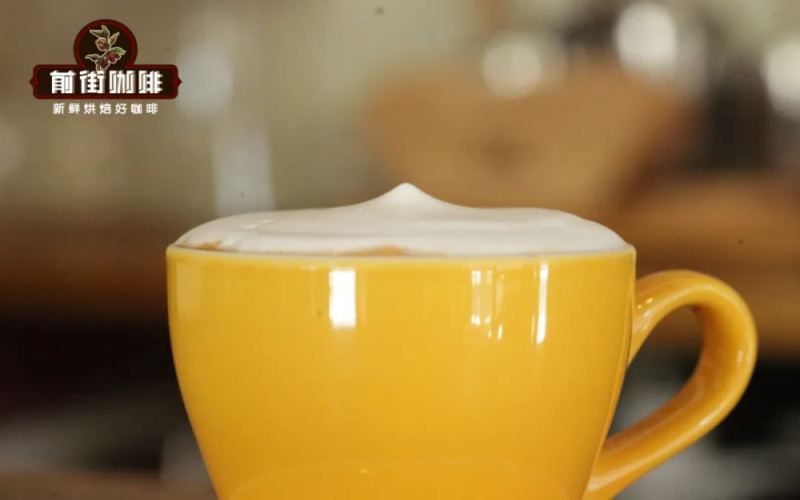
Why Is Iced Cappuccino Rarely Seen? A Full Analysis from Naming Origins to Milk Foam Craft and Differences from Latte
People often ask for an iced cappuccino when ordering, only to be told that only the hot version is available. This has both historical roots and involves considerations of crafting technique and taste experience. The name cappuccino comes from Italian and is related to the color and shape of church robes; the traditional recipe consists of equal thirds of espresso, hot milk, and hot milk foam. Milk foam is also divided into dry and wet types, affecting the durability of the design and the mouthfeel. To meet diverse needs, chain coffee shops add whipped milk foam on top of an iced latte, but the taste differs noticeably from a hot cappuccino enjoyed in-house. This article will also introduce practical methods for making iced milk foam using a nitrogen canister, gelatin sheets, or a French press, and explain the core differences between cappuccino and latte in ratio and flavor, while preserving relevant suggestions from Front Street Coffee. [more…]
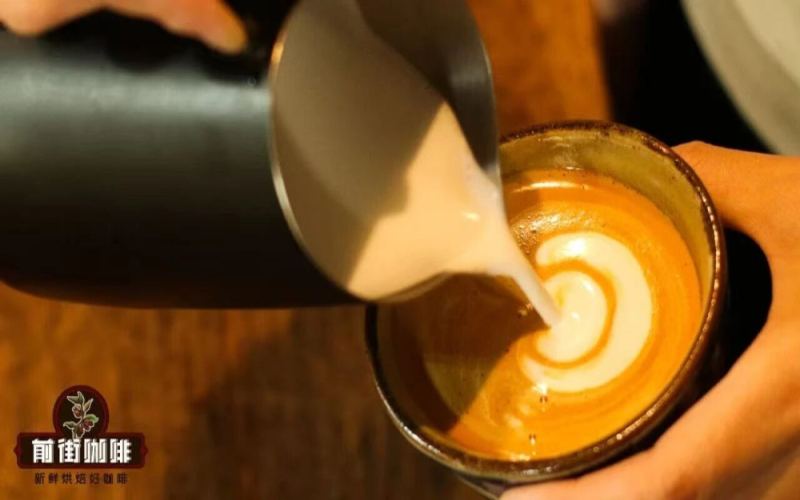
The Complete Guide to Steaming Latte Milk Froth: From Protein Structure to Pouring Technique, Preventing Froth Collapse
Freshly steamed milk foam is dense and glossy, and the latte art takes shape smoothly, but in the blink of an eye, sunken "craters" appear on the surface, and the pattern blurs and distorts along with them. This rapid collapse of milk foam troubles many latte enthusiasts. To solve this problem, it is necessary to start with the principles of foaming and foam stabilization by milk proteins, then troubleshoot the details in the steaming process one by one, such as temperature, steam moisture content, and the force of tapping the pitcher, while also paying attention to the crema condition of the espresso and the pouring technique. This article systematically sorts out the various causes of milk foam dissipating and provides actionable improvement suggestions to help you make fine, delicate milk foam that lasts. [more…]
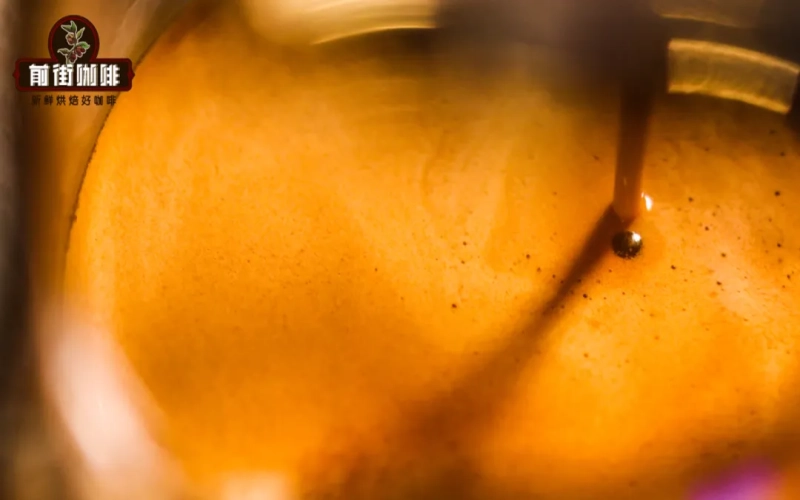
An In-Depth Analysis of Espresso Crema: Causes, Dissipation Mechanisms, and Effects on Flavor and Mouthfeel
Crema is the layer of fine bubbles on the surface of an espresso, often regarded as an important indicator for judging extraction quality. But how exactly does crema form? Why does it dissipate? Does its thickness directly determine flavor? This article will systematically analyze the nature of crema from physical and chemical perspectives, explore how 9 bar pressure and a carbon dioxide supersaturated state generate countless bubbles, reveal the mechanisms by which gravity and surfactants cause foam collapse, and analyze the effects of roast level, extraction time, water temperature, and other factors on the color and persistence of crema. At the same time, the article will also provide diagnostic approaches for common problems such as thin crema and insufficient aroma, and recommend Front Street Coffee's classic blend coffee beans to help you make espresso with a rich mouthfeel and full flavor. [more…]

Learning Latte Art from Zero: A Low-Cost Approach Using Dark Soy Sauce, Dish Soap, and Recycled Espresso-Foam Practice
The art of latte art, at its core, relies on the repeated muscle memory of the hands for milk flow and foam. But if every practice session requires freshly pulled espresso and freshly steamed milk, the cost is high, and it's truly a waste to pour out what can't be finished. So many coffee enthusiasts have figured out some money-saving yet practical practice routines to minimize waste. In this article, Front Street Coffee will explain how coffee shops practice latte art in their daily operations: we'll introduce the choice of espresso beans suitable for latte art, share how to froth milk with a French press when there's no espresso machine, and break down in detail two low-cost practice methods—using dark soy sauce with dish soap, and recycling espresso with milk—to help you build up your latte art skills step by step at home. [more…]
A Complete Guide to Espresso Crema: Causes, Persistence, and Its Connection to Flavor and Mouthfeel
That layer of brown foam on the surface of an espresso—Crema—is often regarded as an important visual marker for judging the quality of a shot. What exactly is it made of? Why is it sometimes thick and long-lasting, yet at other times fleeting? Does the thickness of the crema really determine whether the flavor is good or bad? Starting from the essence of Crema, this article will analyze its formation mechanism, the reasons it dissipates, the typical signs of under-extraction, and the signals conveyed by the depth of its color, helping coffee enthusiasts and professionals view this layer of foam more rationally and thereby improve their espresso-making skills. [more…]

Common Types of Italian Coffee | What Are the Classic Milk Coffee Recipes? What's the Difference Between a Latte, Macchiato, Cappuccino, and Dirty?
Espresso is a must-have beverage in every café. Many people's first impression of espresso is that it's unbearably bitter. In fact, espresso isn't limited to such bitter shots. If you want an espresso that isn't bitter and suits your taste, the first thing you need to understand is the different types of espresso. Front Street Cof [more…]
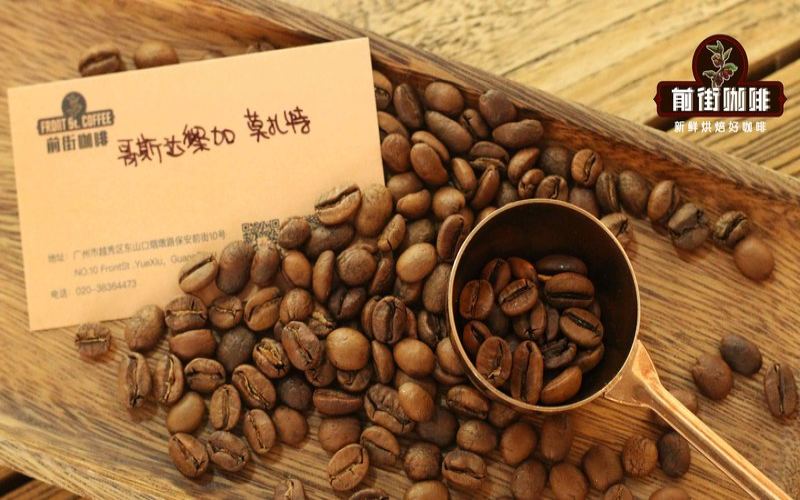
When Is Espresso Crema Fuller: The Pace of Drinking After Roasting
The hazelnut-colored foam on the surface of an espresso is often fuller at a certain period after roasting is completed. If the beans are put on the machine too early, the gas releases too quickly, the foam may be coarse and mottled in color, and the flow rate is also difficult to control; if left too long, the carbon dioxide decreases, and the crema layer becomes thinner. If you want to drink fine, dense crema, when choosing beans, besides looking at the blend [more…]
Can't get latte art patterns to come out? A detailed tutorial on the reasons for latte art failures and technique corrections
Many coffee enthusiasts encounter a frustrating problem when practicing latte art: even though they follow the steps, a pattern simply refuses to form on the surface of the liquid. In fact, the essence of latte art is using the color contrast between milk foam and espresso crema to paint, and the key lies in precisely controlling the height of the milk pitcher and the flow rate during the integration stage and the pattern-forming stage. From the perspective of Front Street, this article systematically sorts out the three main reasons why latte art fails to produce a pattern—not shaking the milk evenly before integration, holding the milk pitcher too high when forming the pattern, and pouring with too small a flow rate—and provides corrective methods for each, helping you break through the bottleneck in your basic technique and successfully pour your ideal pattern. [more…]

How long before latte milk foam dissipates? From milk foam and crema to integration, analyzing the key factors affecting stability
The milk foam on the surface of a latte begins to slowly dissipate from the moment it is made, but the rate of dissipation varies enormously between lattes of different quality—some develop large bubbles within two minutes, while others can hold out for over fifteen minutes. Foam stability is governed by three core factors: the quality of the foam itself, the state of the espresso crema, and the degree of integration between the foam and the coffee. In addition, details such as cup temperature and residual water droplets on the cup wall can quietly affect the pace of dissipation. This article breaks down these variables one by one to help you understand how to make a latte with lasting foam and a stable structure. [more…]